

What About Wool?

Someone asked me the other day, ‘What’s your favourite thing to spin?’
Without hesitation, I replied ‘Blue Faced Leicester.’ I love its softness and willingness to be spun finely, the array of subtle natural colours and even appreciate the nominative nod to the city of my birth!
However, it got me thinking about wool. When demonstrating spinning, I often talk to people about the benefits and qualities of wool that make it such a useful and valuable material, so thought I should delve a little deeper.
Perhaps obviously, wool comes from sheep - spinners I know tend to refer to spun fibre from any other animal or plant as ‘yarn’. Wool (originally ‘wull’ in Old English, a spelling which I rather like) has been crucial in British history, particularly in the medieval economy and the foundations of international trade. It is not by chance that the Lord Speaker still sits upon the ‘woolsack’ in the House of Lords, a tradition dating from the 1300s (amusingly, when being repaired in the 20th century it was actually found to be stuffed with horsehair, so was rapidly re-stuffed with British wool and wool from 15 other commonwealth countries).
There are probably over 1000 different sheep breeds in the world, and up to 90 in the UK if you include crossbreeds and composites. Each breed yields a very different kind of fleece, with some being particularly prized for the quality of the fibre.
According to The Campaign for Wool, wool is a natural material, renewable in that a sheep’s fleece is usually shorn each year and then it regrows. It is biodegradable, breaking down in a matter of weeks when composted (one of the reasons why I make little woolly collars for my brassica seedlings each year), but durable under normal circumstances - fibres can be bent up to 20,000 times before breaking. Wool is breathable and good for regulating temperature. It can absorb 30% of its weight in moisture before feeling wet and is relatively flame resistant too.
Is wool ethical? That’s a good question, and one best answered from your own moral standpoint. It is possible to buy wool produced from slaughter-free flocks like those at The Sheep Sanctuary or The Vegetarian Wool Company , to seek out blade-shorn fleeces like those at The Woven Briar or indeed to source fleeces from local farms or pet sheep flocks where you can judge the processes involved for yourself. Alternatives to wool might include cotton or other plant fibres which have their own significant environmental impact, or plastic-based acrylic fibres where we may have concerns over chemicals used in production or the microplastics shed whenever these are washed or thrown away. None are without their issues.
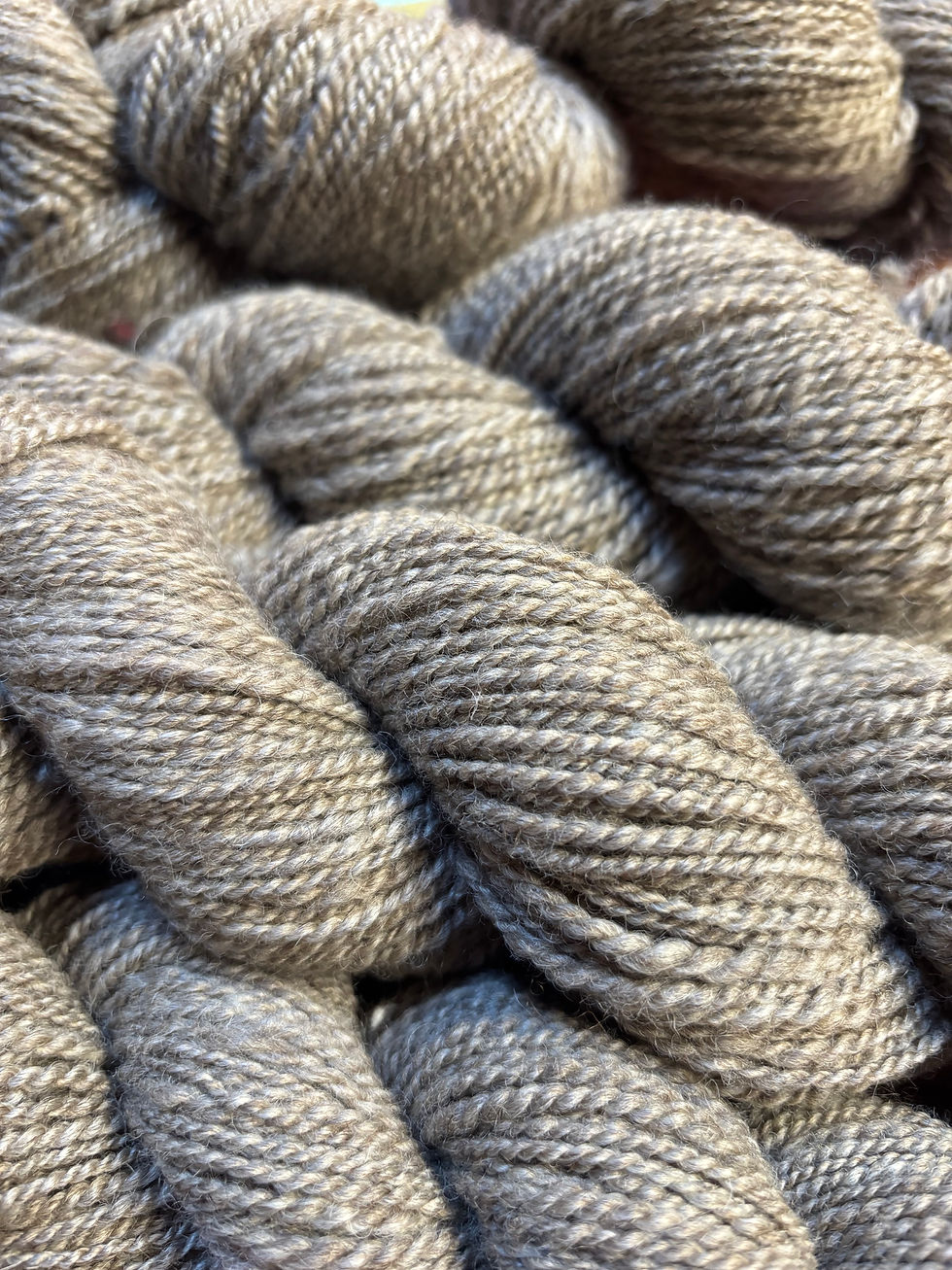
Certainly, when you have followed the whole process from washing a raw fleece, preparing, carding and spinning, through to knitting or weaving a jumper or some other garment, you really appreciate every gram of fibre that you are working with. I think about how many times each single fibre passes through my hands in this sequence - maybe 9 or 10 times. I consider how many hours go into the production of a woollen garment from scratch - even a simple scarf might take me 25 hours to spin and weave, much longer if I need to prepare and card the fleece first.
Woollen garments should be made to last, repaired when they become worn and valued for their incredible properties. If you find wool ‘a bit itchy’ as many people tell me, look at some of the different breeds available: those like Merino and my favourite Blue Faced Leicester are much less likely to irritate than the British lambswool sweaters we might remember from the past.
Whatever you decide, wool is an amazing material, never to be taken for granted and always worthy of your consideration.


Comments